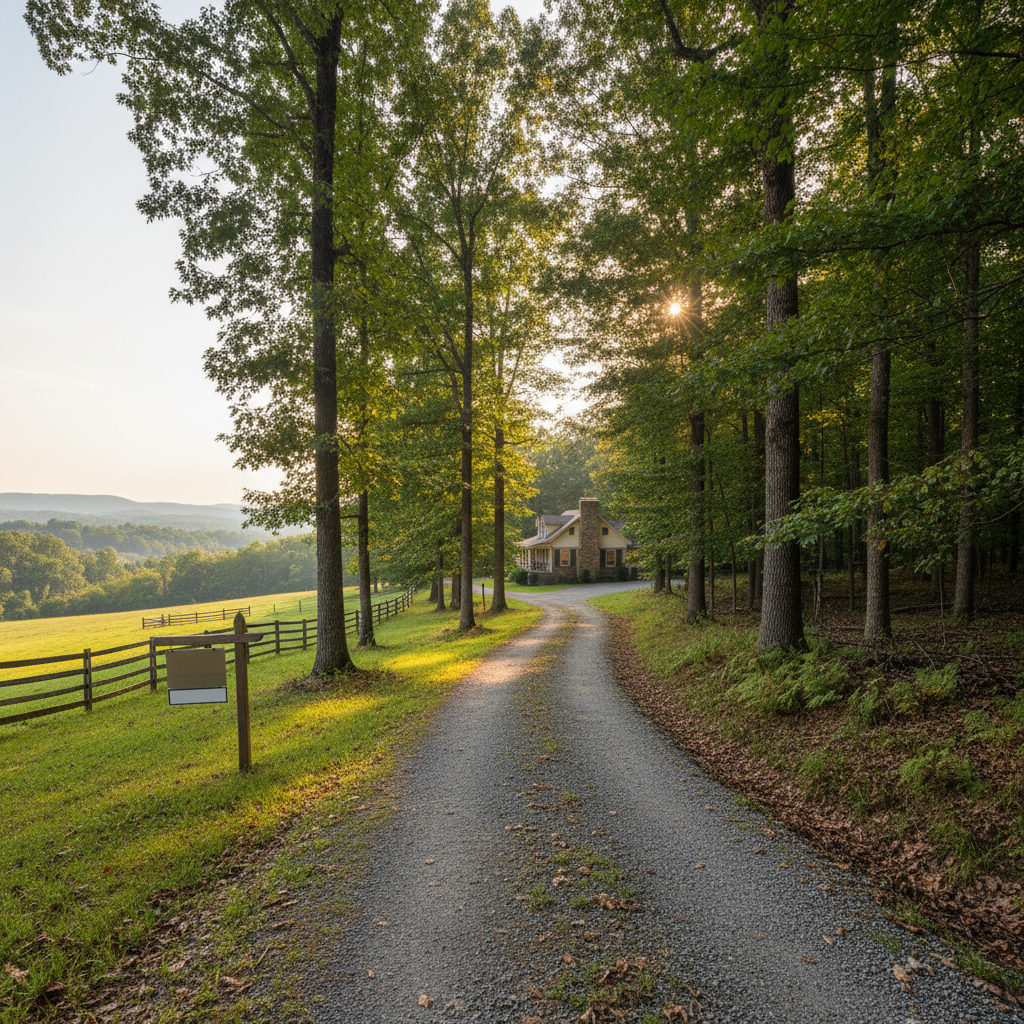
One of the biggest financial surprises when people move to Tennessee—or seriously consider buying a home here in Fentress County—is discovering they won’t pay state income tax. While neighboring Kentucky, Virginia, and North Carolina all collect income tax, Tennessee residents keep more of what they earn. For homebuyers planning their long-term budget, this matters tremendously. Let’s break down exactly what no state income tax means for your wallet and your ability to invest in a home in Jamestown.
The Tennessee Advantage: What You Actually Keep
Tennessee has zero state income tax. That means whether you earn $50,000 or $500,000 per year, you don’t owe the state a single dollar in income tax. You’ll still pay federal income tax, of course, and you’ll pay property tax, sales tax, and other local fees—but the state income tax line? It’s blank.
For a household earning $80,000 annually, avoiding state income tax puts roughly $3,000–$4,000 back in your pocket each year, depending on your federal tax bracket and deductions. For higher earners, the savings are even more dramatic. That’s real money you can redirect toward mortgage payments, home improvements, or building emergency reserves.
How This Changes Your Homebuying Power
When you’re sitting down with a mortgage calculator, you’re typically thinking about your gross income and debt-to-income ratio. Lenders want to see that your total monthly debt payments (including your new mortgage) don’t exceed 43–50% of your gross monthly income. But because you’re not sending thousands to the state revenue department every year, your actual take-home pay is higher than it would be in a high-income-tax state.
That extra cash flow makes a real difference:
- Larger down payment: That annual state income tax savings can accelerate your down payment fund significantly over 1–2 years.
- Better mortgage qualification: Lenders see your actual take-home income is stronger, which can help you qualify for a larger loan or a better interest rate.
- Breathing room for maintenance and repairs: Rural homes often come with unexpected costs—a new roof, septic pump repairs, well system work. Having that extra cushion each month matters.
- Faster equity building: With more disposable income, you can make extra principal payments, building home equity faster than you would in a high-tax state.
Comparing Budgets: Jamestown vs. Higher-Tax Markets
Imagine two identical families, each earning $90,000 annually. One lives in Kentucky (which has a 5% state income tax), and one lives here in Fentress County.
The Kentucky household pays roughly $4,500 per year in state income tax—$375 per month.
The Tennessee household pays $0.
Over a 30-year mortgage, that’s $135,000 in state taxes the Tennessee family avoids entirely. Invested into extra mortgage payments, that’s real equity. Beyond the math, there’s peace of mind knowing you’re not filling out complex state tax returns or paying accountants to optimize your state tax liability.
What You Still Pay in Tennessee
Don’t misunderstand: Tennessee isn’t tax-free. You’ll pay:
- Property taxes: Fentress County has a reasonable effective property tax rate (roughly 0.7–0.9% of assessed value). On a $200,000 home, expect $1,400–$1,800 annually.
- Sales tax: Tennessee’s combined state and local sales tax is 9.55% in Jamestown—among the higher rates in the state, but still competitive with many other regions.
- Federal income tax: You’re not escaping that.
- Gasoline tax, vehicle registration, utility taxes: All apply.
The point isn’t that Tennessee is tax-free; it’s that the state income tax burden is eliminated, freeing up money for other priorities.
The Real-World Impact on Rural Homeownership
When you buy a home in Fentress County—whether it’s a 3-bedroom in Jamestown or a 50-acre homestead in Allardt—that extra monthly cash flow becomes your financial safety net. Rural properties sometimes surprise new owners with unexpected costs: a well system that needs attention, property fencing repairs, or the need to maintain a longer driveway. That Tennessee income tax savings gives you flexibility to handle these without panic.
Additionally, if you’re remotely employed and considering a move to the Upper Cumberland Plateau, this no-state-income-tax advantage compounds over years. Remote workers from California, New York, or Virginia can see dramatic improvements to their take-home pay simply by relocating to Tennessee—while simultaneously buying a home for a fraction of what they’d pay in their home state.
Ready to Put This Into Your Budget?
Understanding how Tennessee’s tax structure benefits your personal finances is one piece of the homebuying puzzle. But you also need to know how much house your budget actually buys you in Fentress County, what your true monthly costs will be, and whether you’re in a strong position to qualify for the right loan.
That’s where our Fentress County Rent vs. Buy Calculator becomes invaluable. It shows you exactly how renting compares to buying in our area—factoring in property taxes, insurance, maintenance, and yes, the benefit of avoiding state income tax.
Tim and Lori Denehy at Mitchell Real Estate have helped dozens of families navigate the homebuying process in Jamestown and across Fentress County. Whether you’re moving from out of state, upgrading from a starter home, or investing in land, they understand the unique financial picture of rural Tennessee homeownership. Call 702-569-9557 or visit DeneyhHomes.com to start a conversation about your budget and your next home. For more about living and buying in our area, explore GoFentress.com.