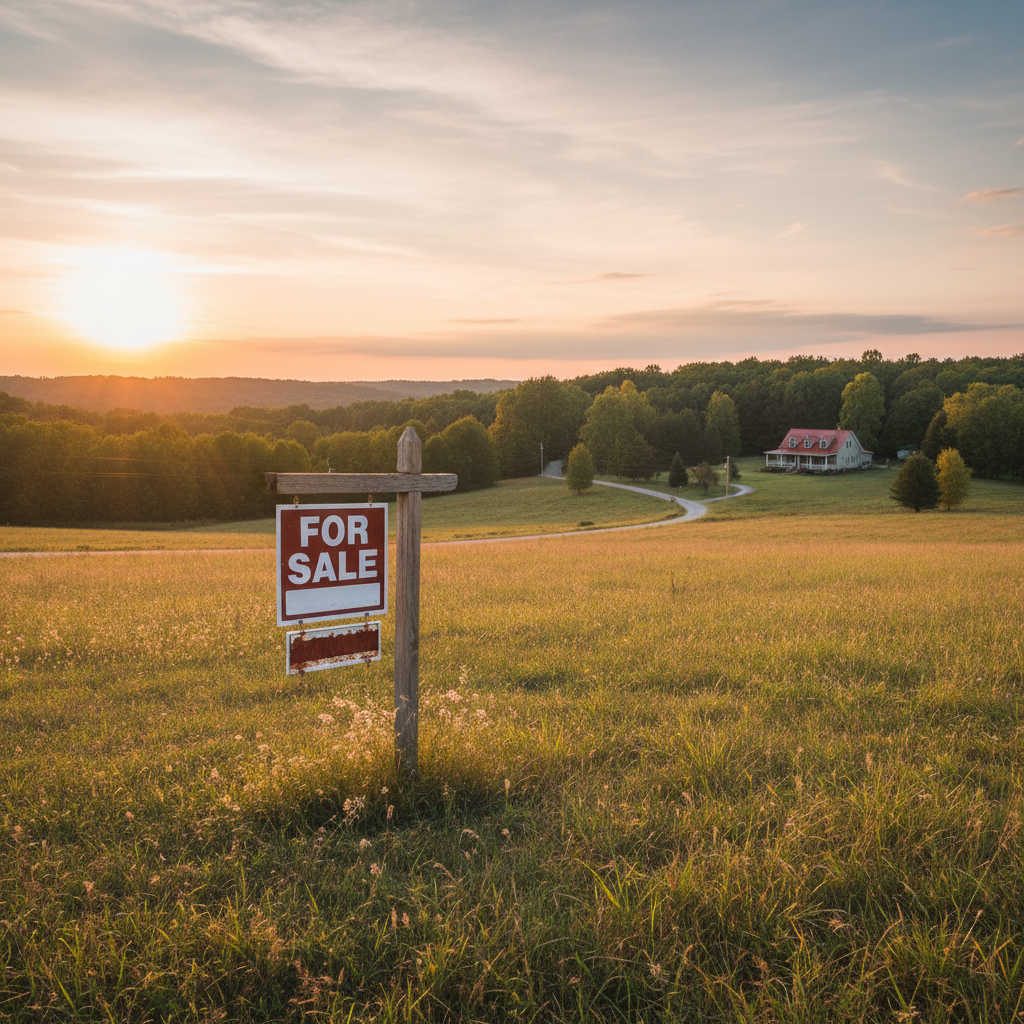
Buying your first home is one of life’s biggest milestones—and it comes with a stack of paperwork, timelines, and yes, closing costs. If you’re a first-time buyer looking at properties in Jamestown, TN or across Fentress County, understanding what you’ll pay at closing can feel like learning a new language. The good news? It doesn’t have to be mysterious. Let’s break down the five things every Tennessee buyer should know before signing those final documents.
1. Tennessee Has No State Transfer Tax (That’s a Win for You)
Here’s some genuinely good news: Tennessee doesn’t charge a state-level transfer tax on real estate transactions. Compare that to neighboring states like Kentucky or North Carolina, and you’re already ahead. While some counties do charge local transfer taxes, Fentress County’s rates are among the most reasonable in the state. This means more of your money stays in your pocket and goes toward your new home rather than government fees.
2. Closing Costs Typically Run 2–5% of Your Purchase Price
On a $250,000 home in Jamestown, expect closing costs between $5,000 and $12,500. But what exactly are you paying for? Here’s the breakdown:
- Loan origination fees: Your lender’s processing and underwriting costs (typically 0.5–1% of the loan amount)
- Appraisal: Usually $400–$600, required by your lender to confirm the home’s value
- Title search and insurance: $500–$1,500, protecting you from ownership disputes
- Property survey: $300–$500 (not always required, but common in rural Fentress County)
- Attorney fees: Tennessee law requires a real estate attorney; expect $500–$1,000
- Property taxes and homeowners insurance: Prorated amounts for the remainder of the year
- HOA fees (if applicable): Prepaid for the first month
The Honest Truth About Negotiation
Many buyers don’t realize closing costs are negotiable. Work with Tim Denehy to understand which fees you might ask the seller to cover—especially in a buyer-favorable market. A skilled real estate agent can help you strategically negotiate these costs without derailing the deal.
3. Get Pre-Approved Before House Hunting
Pre-approval isn’t just about knowing what you can afford—it shows sellers you’re serious. Your lender will review your credit score, income, debts, and savings. Most Tennessee lenders want to see a credit score of at least 640, though scores above 700 typically qualify for better interest rates and lower fees.
If your credit needs work, start now. Even a 50-point improvement can save you thousands over the life of your loan. And yes, your credit history matters more than you might think when you’re house hunting in rural Tennessee, where some lenders are stricter about underwriting.
4. Earnest Money and Down Payment Are Separate
Your earnest money deposit (typically 1–3% of the purchase price) shows the seller you’re committed. Here’s the key: this money is credited toward your down payment or closing costs at closing. So on that $250,000 Fentress County property, a $5,000 earnest money deposit isn’t gone—it’s working for you.
5. Budget for Hidden Costs (Especially on Land or Rural Homes)
Properties in Jamestown and Allardt often sit on larger acreage, which means potential septic inspections, well water testing, or surveying costs. Factor in an extra $500–$2,000 for these rural-specific expenses. Don’t let them surprise you at the closing table.
Ready to Take the First Step?
Understanding closing costs removes one major barrier to homeownership. Tim and Lori Denehy have guided hundreds of first-time buyers through this process right here in Fentress County. They’ll walk you through every line item, answer your questions, and help you negotiate the best possible deal.
Ready to start your home search? Visit denehyhomes.com or call Tim Denehy at 702-569-9557 for a personalized consultation. And if you want to learn more about the communities where you’ll be buying, explore gofentress.com for local insights on what makes Fentress County such a special place to call home.