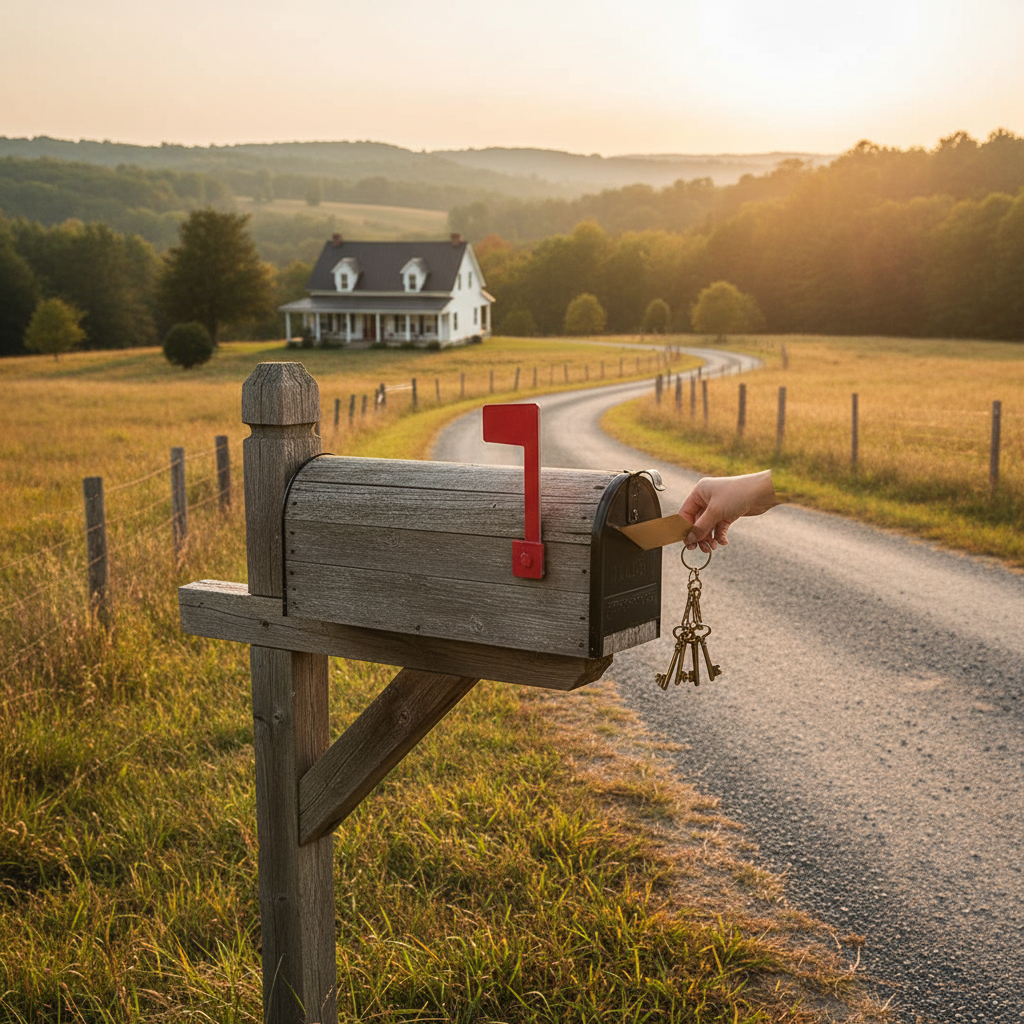
One of the best-kept secrets about buying a home in Tennessee is something that doesn’t show up on your mortgage statement or property deed: Tennessee has no state income tax. For first-time homebuyers relocating from states like California, New York, or Florida, this simple fact can mean thousands of dollars in your pocket every single year—money you can redirect toward your mortgage, home maintenance, or building real wealth in your new community.
If you’re seriously considering Jamestown or Fentress County, understanding how this tax advantage impacts your total cost of homeownership is crucial. Let’s break down what this means for your budget, your long-term financial picture, and why buying here makes more sense than you might think.
No State Income Tax: The Real Dollars-and-Cents Impact
Let’s start with the obvious: Tennessee residents pay zero percent in state income taxes. No matter how much you earn—whether you’re a remote worker, a retiree, or an entrepreneur—that income stays in your pocket.
Here’s what that looks like in practical terms:
- A household earning $75,000 annually saves approximately $3,000–$5,000 per year compared to living in a state with a 5–7% income tax.
- A household earning $150,000 annually saves $7,500–$10,500 per year.
- Over a 30-year mortgage, that’s $90,000 to $315,000 in tax savings alone—money that can go directly toward paying down your principal, upgrading your home, or investing in land.
For families relocating from higher-tax states, this advantage often makes the difference between stretching to afford a smaller home in an expensive area and comfortably purchasing a beautiful property with acreage in Fentress County.
What $150K, $200K, and $250K Actually Buys You Here
Because of Tennessee’s tax-friendly environment and Fentress County’s affordable property market, your dollar goes remarkably far.
$150,000 Budget
You’re looking at charming starter homes in or near Jamestown proper, or small rural properties with 1–5 acres. Perfect for first-time buyers, retirees on fixed incomes, or remote workers who want land without breaking the bank. Many properties at this price point include barn space or room for a garden.
$200,000–$250,000 Budget
This is where things get exciting. You can afford a well-maintained home with 10–20 acres, a separate outbuilding or workshop, and genuine privacy. Many of these properties have or can support well and septic systems, making them truly self-sufficient. This is the “sweet spot” for families seeking rural living without sacrificing modern conveniences.
$300,000+ Budget
You’re entering the territory of premium land estates—substantial acreage (20–50+ acres), newer construction, premium views of the Cumberland Plateau, or proximity to Dale Hollow Lake. At this price point in Nashville or Knoxville, you’d be lucky to find a modest suburban lot.
The state income tax savings we mentioned earlier means you can afford to move into a higher price bracket while keeping your effective monthly housing costs in line with what you’d pay in a higher-tax state.
How Tax Savings Accelerate Your Homebuilding Wealth
Beyond the immediate budget boost, Tennessee’s tax structure accelerates your ability to build equity. Here’s why:
Redirected income compounds over time. Instead of sending thousands to state revenue, you’re applying those savings to your mortgage principal. Even modest extra payments—$200–$300 monthly—can shave five to ten years off your loan and save you tens of thousands in interest.
You can invest in your property sooner. Want to add a barn, drill a well on raw land, or install a septic system? The tax savings give you flexibility to improve your rural property without financial strain.
Retirement planning becomes simpler. If you’re thinking long-term, the cumulative tax savings in Tennessee make it one of the most retirement-friendly states in America, especially for those with investment income or part-time work.
Tennessee Property Taxes: The Other Side of the Equation
Now, let’s be transparent: Tennessee makes up some revenue through property taxes. Fentress County’s effective property tax rate hovers around 0.68–0.75% of assessed value—below the national average of 1.1%. On a $200,000 home, you’re looking at roughly $1,360–$1,500 annually in property taxes. Compare that to states like New Jersey or Illinois (over 2%), and you’re still ahead financially.
Additionally, Tennessee offers a homestead exemption that can reduce your taxable home value by up to $75,000 for owner-occupied primary residences—another boost for first-time buyers.
The Big Picture: Building Wealth on the Plateau
When you combine Tennessee’s zero state income tax with Fentress County’s affordable property prices and low property taxes, you’re looking at one of the most wealth-friendly homebuying environments in America. You’re not just buying a home; you’re positioning yourself for long-term financial security.
Want to see exactly how much home you can afford in Jamestown and Fentress County? Try our Fentress County Rent vs. Buy Calculator—it factors in property taxes, insurance, and maintenance costs specific to this region.
Ready to turn this tax advantage into a real home? Tim and Lori Denehy at Mitchell Real Estate specialize in helping first-time buyers and relocators understand every piece of the puzzle. Call 702-569-9557 or visit denehyhomes.com/for-buyers/ to start your journey toward owning a piece of the Upper Cumberland Plateau.