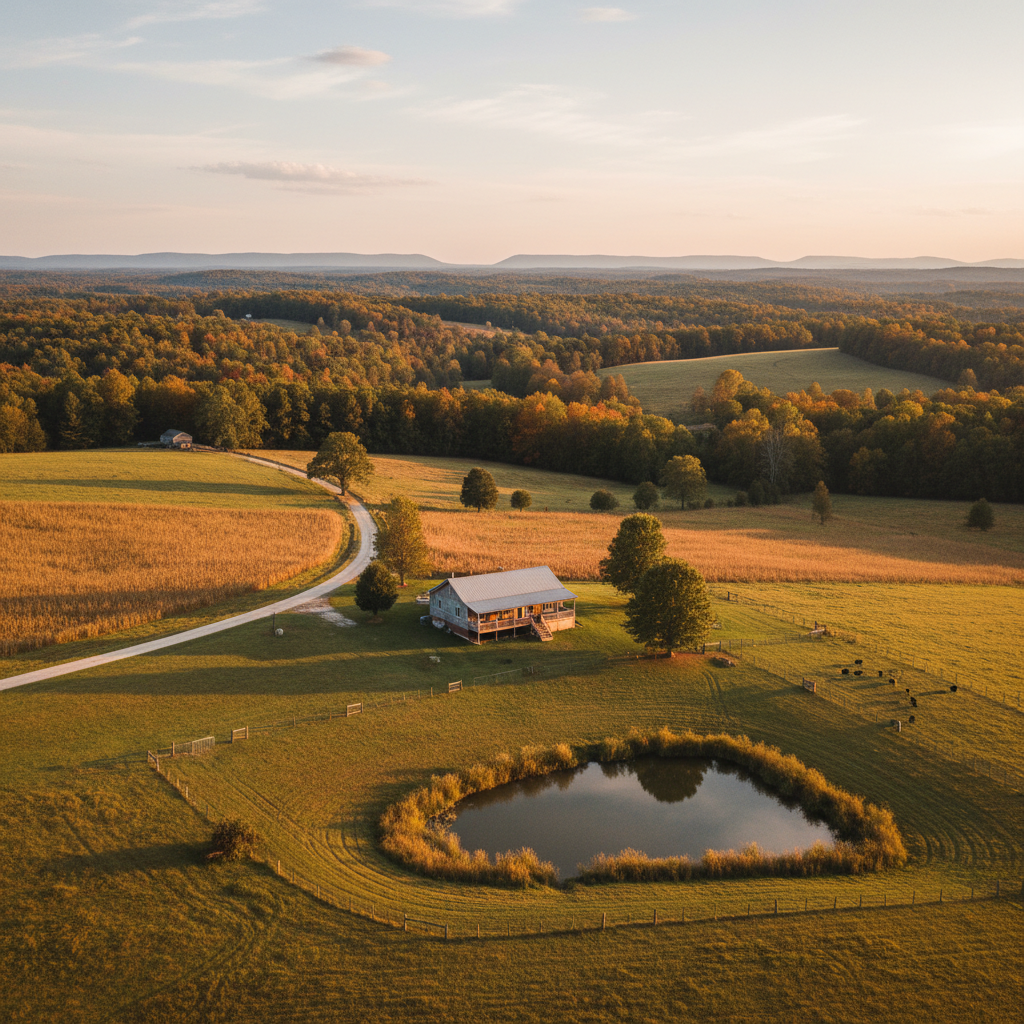
When you’re buying your first home in Jamestown or anywhere in Fentress County, understanding property taxes might feel overwhelming. But here’s some good news: Tennessee’s property tax system is actually quite straightforward, and our rural county rates are significantly lower than what you’d find in many other places. Let me walk you through everything you need to know about property taxes in our neck of the woods.
The Basics of Tennessee Property Taxes
In Tennessee, property taxes are collected at the county level, which means Fentress County sets our rates. Unlike some states where property taxes can be complicated by multiple overlapping jurisdictions, we keep things relatively simple here. Your property tax bill will include county taxes and, if you live within city limits, municipal taxes for Jamestown or one of our other small towns.
Property taxes in Fentress County are based on the assessed value of your home, which is typically 25% of the property’s appraised market value. This assessment happens periodically, though not necessarily every year. The county uses this assessed value to calculate your annual tax bill.
What You’ll Actually Pay in Fentress County
Here’s where rural Tennessee really shines for homeowners. Fentress County’s property tax rate is quite reasonable compared to urban areas. For a typical home valued at $200,000, you might expect to pay somewhere between $800 to $1,200 annually in property taxes, depending on your exact location and any applicable exemptions.
This is dramatically lower than what you’d pay in many other states. In fact, Tennessee consistently ranks as one of the most tax-friendly states for property owners, which is one reason why so many people are choosing to call our area home.
Understanding Your Tax Bill Timeline
Property taxes in Tennessee are paid annually, with bills typically mailed out in late summer or early fall. You’ll have until the following February to pay without penalty, giving you several months to budget for this expense. Many homeowners choose to escrow their property taxes through their mortgage lender, which means a portion of your monthly payment goes into an account to cover taxes when they’re due.
If you’re buying a home during the middle of the tax year, don’t worry – this will be handled at closing. The seller will have already paid a portion of the year’s taxes, so you’ll reimburse them for your share through what’s called a “proration.”
The Tennessee Homestead Exemption Advantage
Here’s one of the best parts about owning property in Tennessee: our homestead exemption. If the home you’re buying will be your primary residence, you can apply for this exemption, which reduces your taxable assessed value by $25,000. For many homes in Fentress County, this can mean significant savings on your annual tax bill.
To qualify, you simply need to live in the home as your primary residence by December 31st of the tax year. The application process is straightforward, and you can apply at the Fentress County Assessor’s office or often online.
Rural Property Considerations
If you’re considering a home on larger acreage – which is common and affordable here in Fentress County – you might benefit from agricultural or forestry exemptions. If you have enough land and use it for qualifying agricultural purposes, you could see additional tax savings. Even a few acres used for hay production or livestock can sometimes qualify.
These exemptions require annual applications and proof of agricultural use, but they can make owning larger properties even more affordable than you might expect.
Planning Your Budget
When you’re getting pre-approved for your mortgage, make sure your lender includes estimated property taxes in your debt-to-income calculations. While our taxes are low, they’re still an important part of your total housing costs. A good rule of thumb in Fentress County is to budget about 0.5% to 0.7% of your home’s value annually for property taxes.
Remember, unlike rent, your property tax payments are helping you build equity in real estate that you own. Plus, if you itemize deductions on your federal taxes, property taxes are generally deductible, providing additional value.
Getting Help When You Need It
The folks at the Fentress County Assessor’s office are incredibly helpful and understand that property taxes can seem confusing to first-time buyers. They’re always willing to explain how your assessment was determined and help you understand any exemptions you might qualify for.
Property taxes in rural Tennessee are just one more reason why Fentress County offers such great value for homeowners. Combined with our lack of state income tax, reasonable housing costs, and quality of life, it’s no wonder more people are discovering what we’ve known all along – this is a great place to call home.