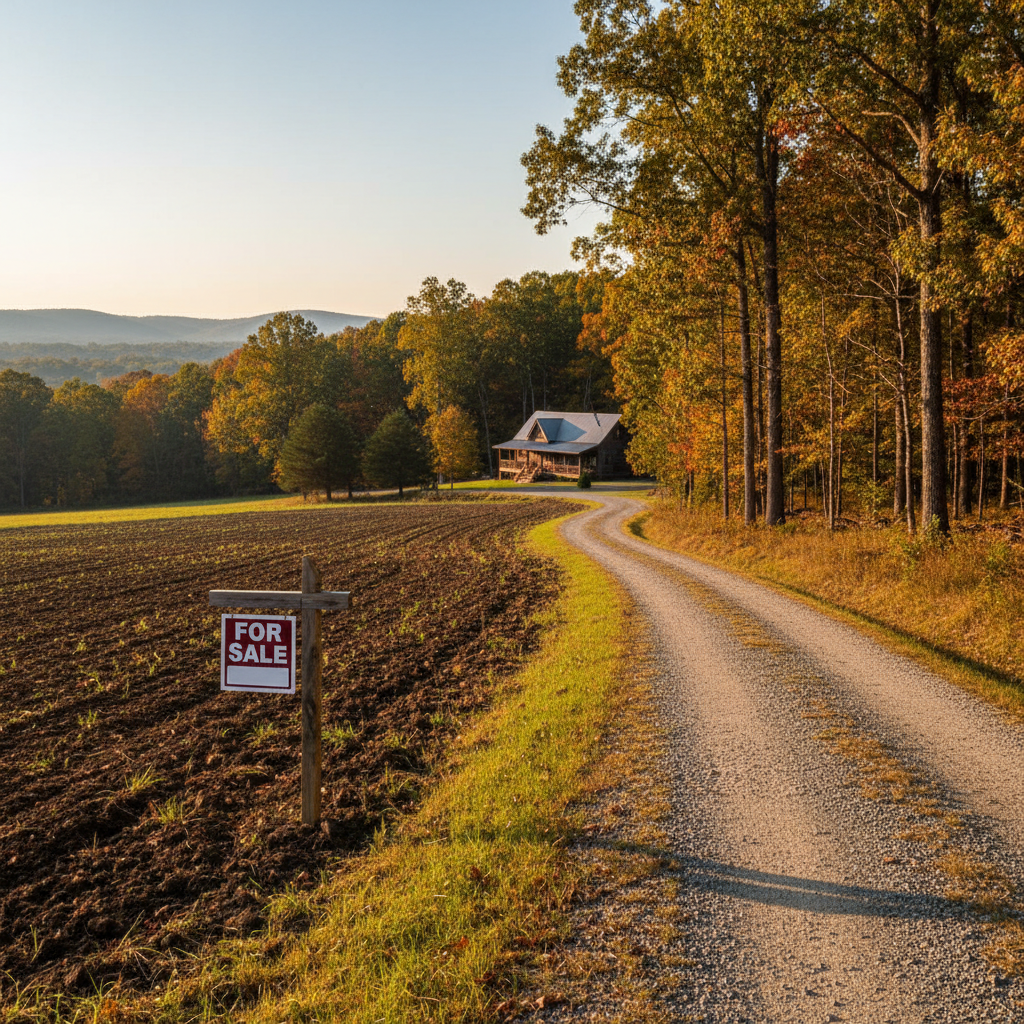
One of the best-kept secrets about moving to Tennessee is how the state’s tax structure can transform your household budget. If you’re considering a move to Jamestown or anywhere across Fentress County, understanding Tennessee’s unique approach to income taxation could be one of the smartest financial decisions you make as a homebuyer. Let’s break down what this means for your wallet and your new life on the Cumberland Plateau.
Tennessee’s Tax Advantage: No State Income Tax
Tennessee is one of only nine states in the nation with no state income tax. That means every dollar you earn—whether from a salary, remote work, investment income, or retirement distributions—stays in your pocket. No state income tax filing. No state withholding from your paycheck. If you’ve spent years filing state returns in another state, this alone can feel like an instant raise.
For a family relocating from California, New York, or even neighboring Kentucky, this tax savings can be substantial. A household earning $80,000 annually could save $3,000 to $5,000 per year depending on where they’re moving from. Over five years in your new Jamestown home, that’s real money—money you can put toward home improvements, paying down your mortgage, or enjoying the lifestyle that drew you here in the first place.
How This Translates to Your Real Estate Budget
When you’re calculating what you can afford in Fentress County, this tax savings directly impacts your purchasing power. Without state income tax eating into monthly cash flow, your monthly budget stretches further. A buyer who could afford a $150,000 home in a high-tax state might qualify for a $180,000 to $200,000 property here—same income, better housing.
To see exactly how this plays out in your specific situation, use the Fentress County Rent vs. Buy Calculator. This tool factors in Tennessee’s tax structure alongside local property taxes, insurance, and maintenance costs, giving you a clear picture of your true monthly housing expense.
What About Property Taxes and Other Local Costs?
It’s important to be clear: Tennessee does have property taxes. But they’re reasonable, and the savings from no state income tax often more than make up for it. Fentress County property tax rates are among the most affordable in the state, with an effective tax rate typically around 0.6% to 0.7% of assessed home value.
Here’s what you’ll actually pay at closing and beyond in Fentress County:
- Property Tax: Approximately $600–$900 annually on a $150,000 home; $1,000–$1,500 on a $250,000 home
- Homeowner’s Insurance: $800–$1,200 per year for rural homes (sometimes lower if you’re outside flood zones)
- Well and Septic Maintenance: $200–$400 annually for routine care (varies with property size)
- Land Maintenance: Minimal in town; $500–$2,000 annually on acreage, depending on timber, pasture, or clearing needs
Even adding these together, your total annual housing costs remain remarkably low—especially compared to properties in urban Tennessee markets or out-of-state cities where state income tax erodes your earnings every single month.
Tennessee’s Homestead Exemption Sweetens the Deal
Tennessee offers a homestead property tax exemption that can reduce your property tax bill even further. If you’re over 65, disabled, or a surviving spouse, you may qualify for exemptions that freeze your property tax at its assessed value or reduce it significantly. Even younger homeowners should ask about exemptions at the Fentress County Assessor’s office once you close—the rules change, and you want to make sure you’re claiming everything you’re entitled to.
The Real-World Impact: A Jamestown Scenario
Let’s say you’re a remote worker relocating from Virginia with a $90,000 annual salary. In Virginia, you’d pay roughly 5.75% state income tax—that’s $5,175 per year gone. Move to Jamestown, and that $5,175 stays in your pocket. Over a 30-year mortgage, that’s over $155,000 in tax savings you can redirect toward building equity, paying off your home faster, or investing in land expansion.
Factor in Fentress County’s lower cost of living—everything from groceries to utilities to property costs—and you’re looking at a dramatically improved quality of life without stretching your paycheck.
What About Taxes on Other Income?
Tennessee’s no-income-tax rule applies to wages, salaries, and most investment income. There is a Hall Income Tax on dividends and interest, but it’s minimal and phases out entirely by 2026. Retirees relocating with Social Security or 401(k) withdrawals? Your retirement income is effectively tax-free in Tennessee. This makes Fentress County and Jamestown increasingly popular with those in or approaching retirement.
Making the Move Pay Off
The tax advantage only matters if you’re actually buying a home that fits your budget and lifestyle. That’s where Tim and Lori Denehy come in. Whether you’re looking for a $150,000 starter home in Jamestown proper, acreage near Clarkrange for a homestead, or investment property with short-term rental potential, understanding your true financial picture is the first step.
Ready to see what your dollars will buy in Fentress County? Start with the Fentress County Rent vs. Buy Calculator, then reach out to the team at Mitchell Real Estate. Call Tim Denehy at 702-569-9557 or visit denehyhomes.com to discuss your next move. Your Tennessee homebuying journey is just a conversation away—and it might be the most financially rewarding decision you make all year.