Why a Zillow Zestimate Is Wrong | Free Home Value in Jamestown TN
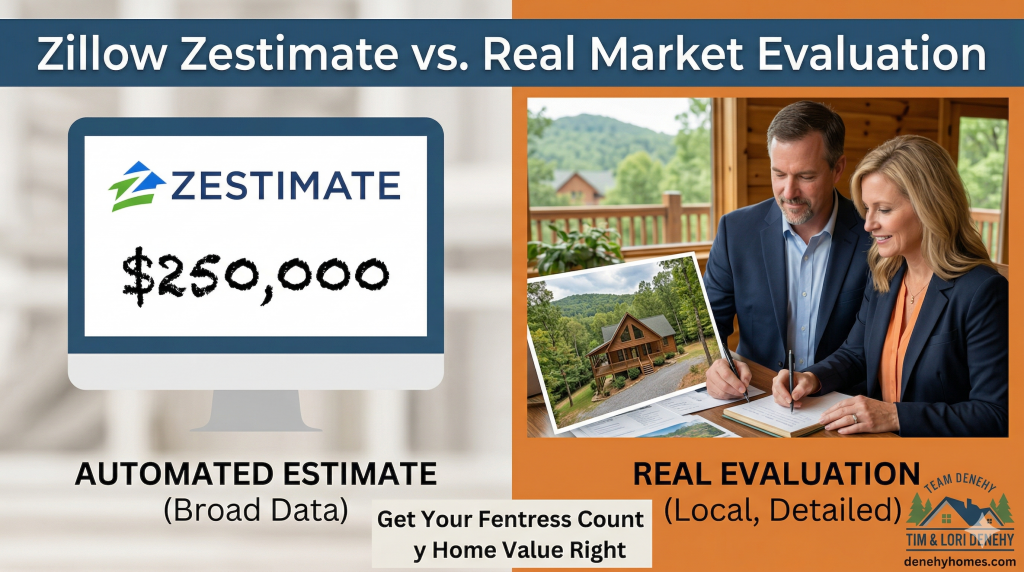
If you’ve ever looked up your home on Zillow, you’ve probably seen the Zestimate — that automated number that tells you what your home might be worth. It’s convenient, it’s instant, and it’s often wrong. Here’s why that matters, especially in a market like Fentress County. What a Zestimate Actually Is A Zestimate is a computer-generated estimate based on public records, tax data, and nearby sales. It doesn’t know that you put in hardwood floors last year, that your property backs up to a creek, or that your neighbor’s house sat vacant for six months before it sold. It’s working with broad patterns — not your home. Zillow itself acknowledges that its national median error rate for off-market homes is around 6–7%. That sounds small, but on a $250,000 home, that’s up to a $17,500 swing — in either direction. In Rural Markets, the Gap Gets Wider In urban areas with lots of similar homes and frequent sales, automated tools have more data to work with. In Fentress County? Not so much. Our market has unique land parcels, log cabins on acreage, mountain views, creek frontage, hunting land — features that an algorithm simply can’t price accurately. Comps can be miles apart and vary dramatically based on details no database captures. What a Real Market Evaluation Includes When Tim or Lori walks through your home, we’re doing something no algorithm can: Comparing your home to actual recent sales in your area — not just zip code averages Adjusting for condition, updates, and features the tax record doesn’t reflect Accounting for current buyer demand and what’s sitting on the market right now Pricing your property to attract real buyers, not just generate a click Don’t Let a Number Cost You Money Overpricing based on a Zestimate leads to a home sitting too long. Underpricing means leaving money on the table. Either way, that number on a screen could cost you thousands. If you’re curious what your home is actually worth in today’s Fentress County market, we’d love to talk. A real evaluation is free, local, and based on what buyers are actually paying right now. 📞 Tim & Lori Denehy — Team Denehy at Mitchell Real Estate 702-569-9557 | denehyhomes.com
Why Spring 2026 Is a Smart Time to Buy Land in Fentress County, TN — Jamestown Area Market Update
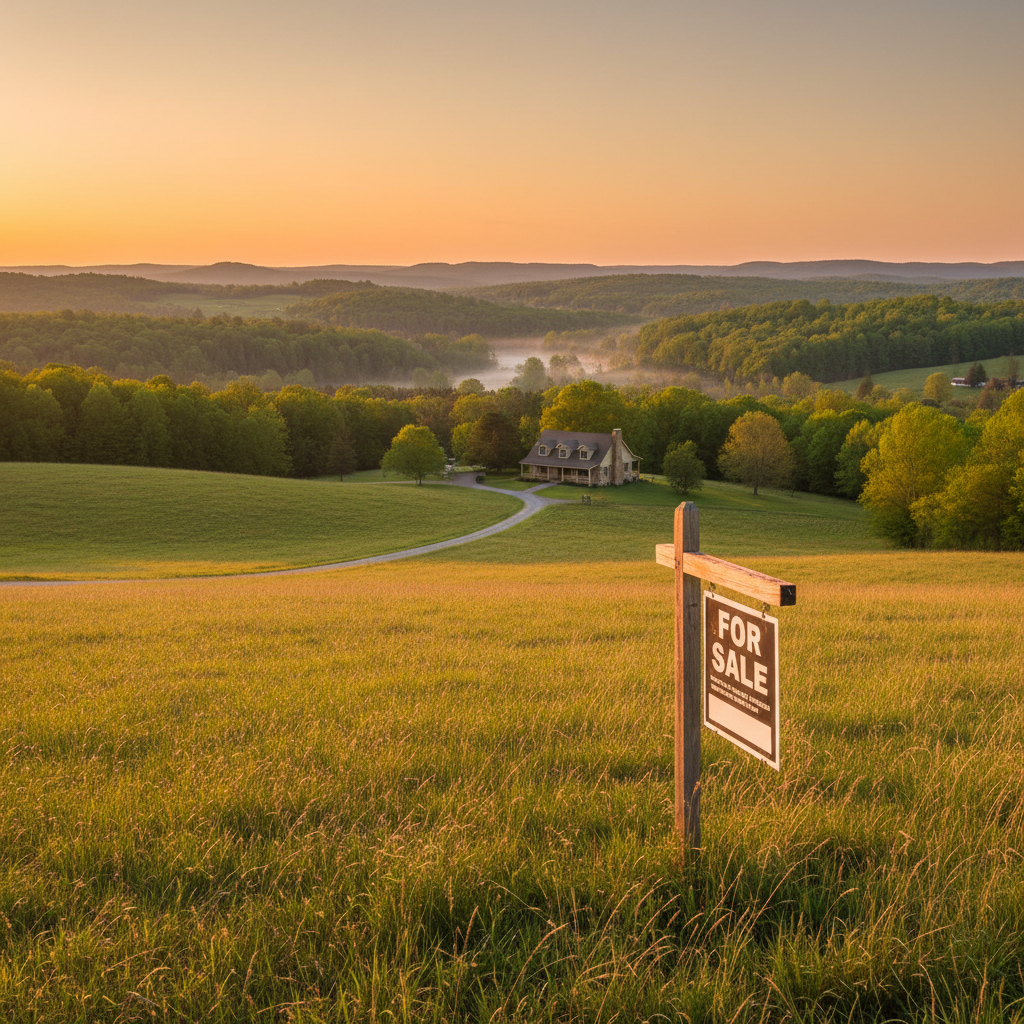
If you’ve been thinking about buying raw land in Tennessee, Spring 2026 is shaping up to be one of the most opportune windows you’ll see in the next several years. The Jamestown area and greater Fentress County are experiencing a unique convergence of factors—rising out-of-state interest, historically low inventory, and favorable financing conditions—that spell urgency for serious land buyers. Whether you’re looking for a recreational retreat, a homestead, or an investment property near the Big South Fork National River and Recreation Area, now is the time to move. The Fentress County Land Market Right Now Fentress County is not experiencing a typical real estate boom. Instead, it’s seeing something more sustainable and authentic: genuine, steady demand from buyers who are tired of crowded markets and inflated prices. The difference matters. Unlike flash-in-the-pan appreciation, this is driven by people relocating for lifestyle, remote work capability, and access to natural amenities that simply don’t exist elsewhere at this price point. Current inventory of raw land parcels in the Jamestown area remains remarkably tight. Properties that would list for $8,000–$12,000 per acre in more populated regions of Tennessee are moving at $2,500–$5,000 per acre here—and even those are attracting multiple inquiries within days of listing. This isn’t hype. This is scarcity meeting demand in a market where locals and newcomers alike understand what they’re getting. Out-of-State Buyers Are Taking Notice Over the past eighteen months, we’ve seen a marked increase in serious inquiries from California, Florida, Colorado, and the Northeast. These aren’t casual browsers. They’re remote workers, early retirees, and investment groups who have done their homework. They understand that Twin Lakes Fiber is bringing high-speed internet to rural Fentress County. They know the Big South Fork is a world-class outdoor destination. And they’ve calculated that a 20-acre parcel with trail access near Jamestown costs less than a small condo in Denver or Austin. This wave of out-of-state interest is real, but it’s not yet saturated the market the way it has in places like Asheville or the Tennessee Hill Country. That window—where you can still buy excellent land at true country prices—is narrowing. Why Big South Fork Proximity Drives Long-Term Land Value The Big South Fork National River and Recreation Area is a game-changer for property values in Fentress County. This isn’t just about weekend hiking. Serious outdoor enthusiasts, cabin rental operators, and lifestyle-focused families view proximity to Big South Fork as a core amenity, not a bonus. Hiking and trail access: Over 150 miles of maintained trails attract visitors year-round, creating rental income potential for cabins and glamping properties on adjacent land. Fishing and paddling: The New River and Clear Fork provide world-class whitewater and calm-water paddling, driving tourism and property appeal. Hunting and wildlife: Fentress County’s timber and game resources attract hunters and conservation-minded landowners willing to pay premium prices for productive acreage. Sense of place: The Big South Fork corridor represents authentic Appalachian heritage, outdoor culture, and community—things remote workers and retirees actively seek. Properties within 5–15 minutes of Big South Fork trailheads have appreciated steadily over the past three years, and that trend is accelerating as awareness spreads among target demographics. Inventory Shortage Means Buyer Urgency Is Real This is not a buyer’s market by traditional measures. It’s a strategic market—one where the fundamentals favor those who act decisively. The reality: Fentress County simply doesn’t have enough developable land parcels to meet current and projected demand. Historical landholdings are family-owned and rarely come to market. When they do, serious buyers are making offers within 48 hours. We’ve documented multiple instances where properties listed on Friday closed by the following Wednesday. Spring is peak season for land shopping. By June, inventory tightens further as remaining parcels are under contract. By July and August, good land in the right locations becomes exceptionally scarce until fall activity picks up again. Financing Raw Land in Fentress County: What You Need to Know A common misconception is that financing raw land is impossible or prohibitively expensive. That’s outdated. Spring 2026 offers improved financing conditions compared to even eighteen months ago. Your Financing Options Rural Development (USDA) Loans: If your land is in an eligible area and you meet income thresholds, USDA financing can cover up to 90% of purchase price with favorable rates. Many Fentress County properties qualify. Portfolio Lenders: Regional banks and credit unions in Tennessee often hold land mortgages in-portfolio, offering 15–20 year terms at competitive rates (currently 6.5%–7.5% for qualified buyers). Conventional Construction Financing: If you’re building within 12–24 months, many lenders will finance raw land as Phase 1 of a construction loan, rolling it into your primary mortgage upon completion. Cash and Owner Financing: Private sellers in Fentress County often carry notes for qualified buyers, especially for properties over 10 acres. This flexibility is a huge advantage for investors. The key is working with a real estate team that understands local lender relationships and can guide you toward the right product. Generic national mortgage brokers often underestimate what’s possible in rural markets. The Urgency: Why Wait? Land values in Fentress County are still rational compared to surrounding regions and projected growth corridors. But that window narrows every quarter. Out-of-state money is moving into Tennessee’s outdoor-recreation corridors at an accelerating pace. Institutional investors are beginning to recognize the Plateau’s potential. Local young people are returning with remote jobs and wanting to build. In 12–24 months, the calculus may shift entirely. Current pricing reflects a market still in the early stages of recognition. Spring 2026 offers a rare chance to buy at today’s prices, not tomorrow’s. Take the Next Step If you’re serious about buying land near Jamestown or anywhere in Fentress County, don’t wait for inventory to tighten further or out-of-state competition to intensify. Tim and Lori Denehy at Team Denehy – Mitchell Real Estate have spent years building relationships with local landowners, understanding soil conditions, access issues, and the real potential of every parcel. They can show you raw land that fits your vision, walk you through financing
No State Income Tax in Tennessee: How This Advantage Makes Fentress County an Even Smarter Real Estate Investment
When folks from other states visit our beautiful corner of Tennessee here in Fentress County, they’re often amazed by our pristine lakes, rolling hills, and friendly community spirit. But there’s another reason that makes Tennessee – and specifically our Upper Cumberland region – such an attractive place to call home: we’re one of only a handful of states with no state income tax. As someone who’s helped countless families find their perfect home in Jamestown and throughout Fentress County, I can tell you that Tennessee’s tax-friendly status is increasingly becoming a major factor in people’s decision to relocate here. Let me break down exactly what this means for your wallet and why it makes our area an even smarter choice for your next real estate investment. Understanding Tennessee’s Tax Structure Tennessee is one of just nine states that doesn’t impose a state income tax on wages and salaries. This means that whether you’re earning $40,000 or $140,000 a year, the state won’t take a percentage of your paycheck like most other states do. For a family earning $75,000 annually, this could mean keeping an extra $3,000 to $5,000 in your pocket each year compared to living in states with income taxes. Now, it’s important to understand that Tennessee does have what’s called a “Hall Income Tax” on certain investment income like interest and dividends, but this only affects a small percentage of residents and is set to be completely phased out by 2025. For the vast majority of working families looking at real estate in Fentress County, your earned income will be completely free from state income tax. What This Means for Your Monthly Budget When you’re not sending a chunk of your paycheck to state tax collectors, that money stays in your local economy – and more importantly, in your family’s budget. This extra breathing room can make a significant difference in your ability to afford that dream home overlooking Dale Hollow Lake or that charming farmhouse on the outskirts of Jamestown. I’ve worked with families who relocated here from states like Kentucky, where they were paying 5% state income tax, or North Carolina with rates up to 5.25%. For these families, the tax savings alone often covered a significant portion of their monthly mortgage payment. Imagine having an extra $300-500 each month to put toward your mortgage principal, home improvements, or simply enjoying the outdoor recreation that makes our area so special. Real Estate Affordability Gets Even Better Fentress County already offers some of the most affordable real estate in Tennessee, with median home prices well below the national average. When you combine our reasonable property costs with the absence of state income tax, the financial advantages become even more compelling. That cabin you’ve been dreaming about near Pickett State Park suddenly becomes much more attainable when you’re keeping thousands more of your income each year. Attracting Retirees and Remote Workers The no-income-tax advantage is particularly attractive to two growing demographics in our area: retirees and remote workers. Retirees appreciate that their retirement account distributions won’t be subject to state income tax, allowing their nest eggs to stretch further. Meanwhile, remote workers who can live anywhere are discovering they can maintain their higher salaries while enjoying a much lower cost of living and no state income tax burden. This influx of new residents is great news for current property owners in Fentress County. As more people discover the financial advantages of Tennessee living combined with our area’s natural beauty and recreational opportunities, property values continue to appreciate steadily. Business-Friendly Environment Tennessee’s tax structure isn’t just beneficial for individual homeowners – it’s also incredibly friendly to small business owners and entrepreneurs. If you’re thinking about starting a business in Jamestown or anywhere in the Upper Cumberland, you’ll appreciate that the state’s approach to taxation allows you to reinvest more of your earnings back into your enterprise. This business-friendly environment has helped create a stable local economy that supports real estate values. When businesses can thrive, they create jobs, which brings more families to the area, which increases demand for housing. It’s a positive cycle that benefits everyone in our community. Comparing Tennessee to Neighboring States When you look at our neighboring states, Tennessee’s tax advantage becomes even more apparent. Kentucky taxes income at rates from 2% to 5%, while Virginia ranges from 2% to 5.75%. North Carolina’s rates go up to 5.25%. For someone earning $60,000 annually, moving from one of these states to Tennessee could mean keeping an extra $2,000 to $3,000 per year – money that could go toward a larger down payment, home improvements, or building an emergency fund. Long-term Wealth Building Advantages Over the course of a 30-year career, the savings from Tennessee’s no-income-tax policy can be substantial. For a middle-class family, we’re talking about potentially tens of thousands of dollars that can be invested in real estate, retirement accounts, or other wealth-building strategies instead of going to state tax collectors. This makes purchasing real estate in Fentress County not just a lifestyle choice, but a smart financial strategy for long-term wealth building. What to Consider When Making Your Move While the no-income-tax advantage is significant, it’s important to consider the complete picture when evaluating a move to Tennessee. We do have sales tax and property taxes, though our property tax rates in Fentress County remain very reasonable compared to many areas. The key is looking at your total tax burden and cost of living, not just one component. When you factor in our affordable housing costs, lower utility rates, and the absence of state income tax, most families find their overall financial picture improves significantly. Want to run your own numbers? Estimate what you would defer on a sale with the 1031 exchange tax deferral estimator, and see what a move actually saves you with the Tennessee income tax savings calculator. Making Your Tennessee Dreams Reality If you’re considering making the move to Tennessee to take advantage of our tax-friendly status and incredible
Tennessee Property Taxes and Homestead Exemptions: What Fentress County Homeowners Need to Know
If you’re a homeowner in Fentress County or considering buying property in our beautiful corner of the Upper Cumberland, understanding Tennessee’s property tax system is crucial for your financial planning. As someone who’s helped countless families navigate real estate decisions in Jamestown and throughout our region, I want to share the essential information you need about property taxes, homestead exemptions, and the unique laws that make Tennessee an attractive place to own property. Tennessee’s Property Tax Advantage One of the biggest draws for families moving to Tennessee, particularly rural areas like Fentress County, is our tax-friendly environment. Tennessee has no state income tax on wages and salaries, which means your property taxes play a more significant role in your overall tax burden. The good news? Tennessee property tax rates are generally lower than many neighboring states, making homeownership more affordable for working families. In Fentress County, property taxes fund essential local services including our schools, road maintenance, emergency services, and county government operations. Understanding how these taxes work helps you make informed decisions about where to buy and how much house you can comfortably afford. How Property Taxes Are Calculated in Tennessee Tennessee uses an assessment system where properties are appraised at their fair market value, then assessed at a percentage of that value. For residential properties, the assessment ratio is 25% of the appraised value. This means if your home is worth $200,000, you’ll be taxed on an assessed value of $50,000. The tax rate, expressed in dollars per $100 of assessed value, varies by county and municipality. In Fentress County, homeowners benefit from relatively low tax rates compared to urban areas. This makes our region particularly attractive for retirees, young families, and anyone looking to stretch their housing dollar further. Property Appraisal Schedule Tennessee law requires counties to conduct property reappraisals every four to six years. Fentress County follows this schedule, ensuring assessments reflect current market conditions. During periods of rising property values, this can mean higher assessments, but the regular schedule prevents sudden, dramatic increases that might catch homeowners off guard. Tennessee’s Homestead Exemption: Your Property Tax Relief Tennessee’s homestead exemption is a valuable benefit that reduces your property tax burden on your primary residence. Currently, qualified homeowners can exempt up to $25,000 of assessed value from county property taxes and $7,500 of assessed value from school taxes. For a typical Fentress County homeowner, this exemption can save several hundred dollars annually. On a $150,000 home (assessed at $37,500), the homestead exemption could reduce your taxable assessment significantly, translating to real money back in your pocket each year. Qualifying for the Homestead Exemption To qualify for Tennessee’s homestead exemption, you must: Own and occupy the property as your primary residence on January 1st of the tax year Be a Tennessee resident Apply for the exemption through your county tax assessor’s office Provide proof of residency and ownership The application process in Fentress County is straightforward. Our county assessor’s office in Jamestown can help walk you through the paperwork, and once approved, the exemption continues automatically as long as you meet the qualifications. Additional Property Tax Exemptions and Relief Programs Beyond the standard homestead exemption, Tennessee offers several other programs that can help reduce your property tax burden: Elderly and Disabled Tax Relief Homeowners aged 65 or older, or those who are disabled, may qualify for additional property tax relief. This program can freeze your property’s assessed value or provide additional exemptions based on income limits. For many of our older residents in rural Fentress County living on fixed incomes, this relief can be substantial. Disabled Veteran Exemptions Tennessee provides generous property tax exemptions for disabled veterans. Depending on the disability rating, veterans may qualify for partial or complete exemption from property taxes on their primary residence. This benefit recognizes the service and sacrifice of our military families who choose to make Tennessee their home. Agricultural and Forest Land Classification If you own rural property in Fentress County used for farming, forestry, or agriculture, you may qualify for special tax treatment. Agricultural land is assessed at its use value rather than fair market value, which can result in significantly lower property taxes. This classification helps preserve our rural character and supports local farming families. Understanding Your Property Tax Bill Your annual property tax bill in Tennessee typically includes several components: County taxes – Fund county government services and operations School taxes – Support our local school districts Municipal taxes – If you live within city limits (like Jamestown) Special district taxes – For services like fire protection or library districts Property taxes in Fentress County are typically due October 1st each year, though you can usually pay in installments. Many homeowners choose to escrow their property taxes with their mortgage payments, spreading the cost throughout the year. Tennessee’s Truth in Taxation Law Tennessee’s Truth in Taxation law protects property owners from unexpected tax increases. When property values rise due to reappraisal, local governments must adjust tax rates to generate the same revenue, unless they specifically vote to increase taxes. This law ensures transparency and gives taxpayers a voice in local tax policy. Planning Tips for Fentress County Property Owners As you consider property ownership in our area, keep these strategies in mind: Apply for all exemptions you qualify for – Don’t leave money on the table Budget for property taxes – Even with exemptions, plan for annual tax obligations Consider timing – Purchase dates can affect your first year’s tax obligations Understand your assessment – Review your property’s assessed value and appeal if necessary The Bottom Line for Upper Cumberland Homeowners Tennessee’s property tax system, combined with our lack of state income tax, creates an attractive environment for homeownership. In Fentress County, you’ll benefit from reasonable tax rates, meaningful exemptions, and a system designed to be fair and predictable. Whether you’re a first-time homebuyer, growing family, or retiree looking for a peaceful place to settle, understanding these tax advantages can help you make the most of your
The 2026 Real Estate “Thaw”: Why TN Buyers Finally Have the Edge
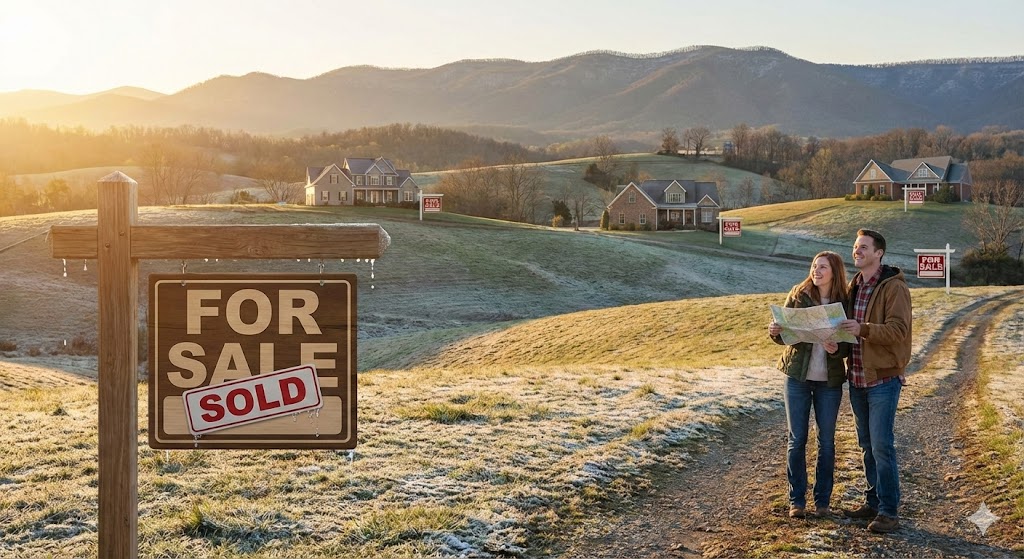
The “Great Stay” is over. For the past few years, the Tennessee housing market felt frozen. Homeowners didn’t want to give up their low interest rates, and buyers were left fighting over a handful of houses. That just changed. In 2026, we are seeing a 9–10% increase in active listings across Tennessee. This “thaw” is shifting the power back into your hands. Here is why this is the best news for buyers in years. 1. The “Lock-In” Effect is Fading For years, homeowners stayed put to keep their 3% mortgage rates. But life doesn’t stop. People are finally moving for new jobs, growing families, or to start that Tennessee homestead they’ve always wanted. This pent-up supply is finally hitting the market. 2. You Have Time to Breathe Remember when houses sold in four hours? Those days are gone. With more homes available: 3. Negotiation is Back on the Table When inventory was low, sellers held all the cards. Now, with more competition, buyers have leverage. We are seeing a return of: 4. Better Selection in Our Backyard Whether you are looking in Jamestown, Rickman, or Crossville, the extra inventory means you don’t have to “settle.” You can find the specific floor plan, the right acreage for your animals, or the perfect workshop space without compromising. The Bottom Line The 2026 market isn’t a crash—it’s a reset. It’s a “Goldilocks” window where there is enough inventory for you to have a choice, but enough demand to keep your investment safe. Ready to see what’s available?